Addressing Hoarding Issues in Cooperative Buildings
September 20, 2025 - 22:55
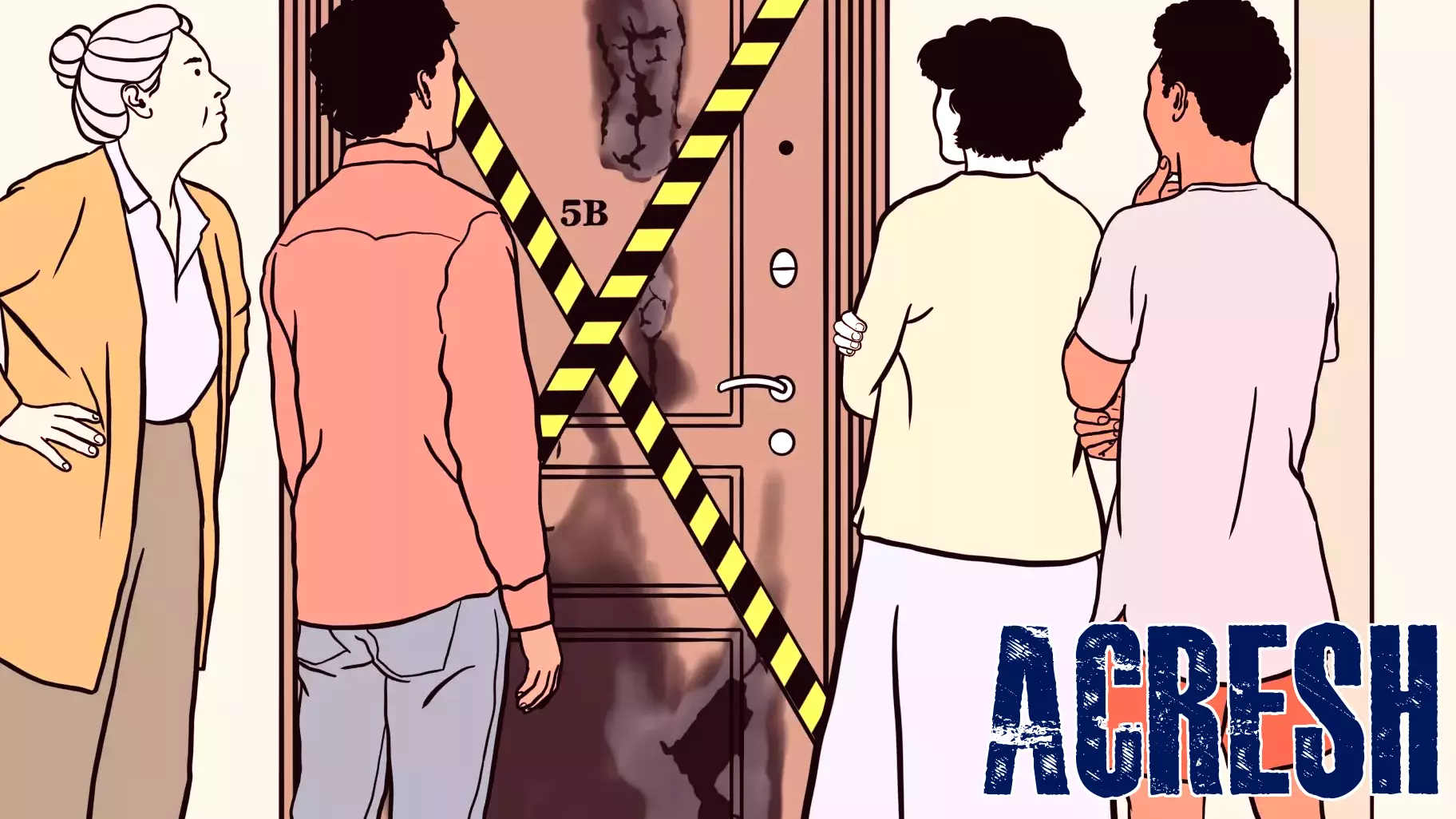
In cooperative buildings, managing the behavior of shareholders can be a complex issue, especially when it comes to hoarding. Co-op boards have the authority to take action against shareholders whose actions have caused damage to the property or posed health risks to other residents. However, it is crucial that these boards adhere to their established rules and regulations during this process.
When a shareholder's hoarding behavior leads to significant concerns, such as pest infestations, fire hazards, or structural damage, the board must first document the issues thoroughly. This documentation serves as a foundation for any potential action. The board is typically required to follow a specific protocol, which may include providing written notices to the shareholder and offering them a chance to rectify the situation.
Ultimately, while co-op boards can take necessary actions to protect the well-being of their community, they must navigate the situation carefully, ensuring that all steps taken are in compliance with the governing documents of the cooperative.
MORE NEWS

October 6, 2026 - 03:02
Real Estate Program Welcomes First Professor of PracticeMark Apker has joined the college as its first Professor of Practice in real estate. He brings a rare combination of industry leadership, legal expertise, and academic experience to the...

October 5, 2026 - 03:00
VICI Properties (VICI) Could Be 46% Undervalued As Its Alberta Rent Stream Holds FlatVICI Properties has restructured its Canadian holdings, signing a new triple net lease with Highfield Investment Group for two racetrack properties in Alberta. The deal keeps the company`s total...

October 4, 2026 - 21:33
Egypt Moves to Tighten Real Estate Rules with New Developer LawEgypt is preparing to overhaul the regulation of its real estate development market through a draft law establishing the Egyptian Federation of Real Estate Developers and introducing new rules for...

October 4, 2026 - 03:50
XLRE vs. RWO: Which Real Estate ETF Offers Better ValueInvestors looking at real estate exposure have two very different options in XLRE and RWO. One fund keeps its focus on U.S. large-cap properties and charges a 0.08% expense ratio. The other spreads...