Boston Mayor Wu's Policies Face Real Estate Pushback, Yet She Maintains Voter Popularity
November 2, 2025 - 19:05
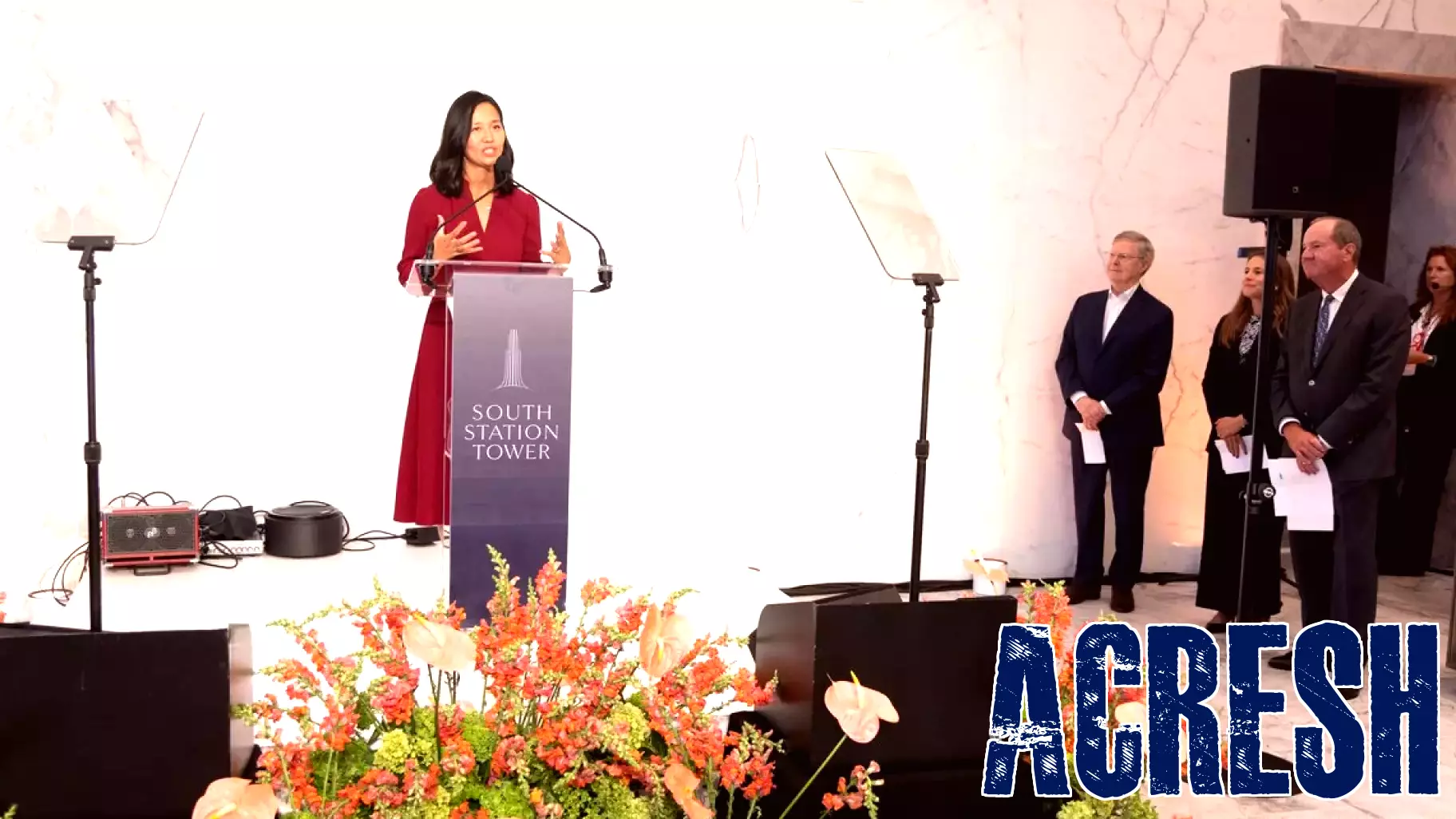
As Boston approaches the next election cycle, Mayor Michelle Wu's potential second term is stirring mixed feelings within the real estate community. While her administration has garnered significant support from voters, developers and landlords are expressing concerns about her policies, which they believe could hinder growth and investment in the city.
Wu's focus on affordable housing and sustainable development has resonated with many residents, particularly those prioritizing social equity. However, real estate professionals argue that her stringent regulations and zoning changes may deter new projects and complicate existing developments.
The tension between Wu's progressive agenda and the needs of the real estate sector highlights the challenges ahead. As the mayor navigates this complex landscape, she will need to balance her vision for a more equitable Boston with the demands of a critical industry that plays a vital role in the city’s economy. The outcome of this balancing act could significantly shape the future of Boston's urban landscape.
MORE NEWS

October 6, 2026 - 03:02
Real Estate Program Welcomes First Professor of PracticeMark Apker has joined the college as its first Professor of Practice in real estate. He brings a rare combination of industry leadership, legal expertise, and academic experience to the...

October 5, 2026 - 03:00
VICI Properties (VICI) Could Be 46% Undervalued As Its Alberta Rent Stream Holds FlatVICI Properties has restructured its Canadian holdings, signing a new triple net lease with Highfield Investment Group for two racetrack properties in Alberta. The deal keeps the company`s total...

October 4, 2026 - 21:33
Egypt Moves to Tighten Real Estate Rules with New Developer LawEgypt is preparing to overhaul the regulation of its real estate development market through a draft law establishing the Egyptian Federation of Real Estate Developers and introducing new rules for...

October 4, 2026 - 03:50
XLRE vs. RWO: Which Real Estate ETF Offers Better ValueInvestors looking at real estate exposure have two very different options in XLRE and RWO. One fund keeps its focus on U.S. large-cap properties and charges a 0.08% expense ratio. The other spreads...